
Go local - Trusting communities in an age of aid austerity
17 November 2025 · 4 min
Opinion
By Matt Reeves, Global Lead for Civil Society, Aga Khan Foundation
How can aid agencies make scarce resources go further?
Investing in community-led development is a proven and lasting way to achieve impact when resources are tight. When local communities take the lead, they deliver measurable progress in health, education and livelihoods. Enabling people to design and drive solutions that meet their own needs is not just fair, it also ensures aid is used more effectively and sustainably.
But aid is far from ineffective. The evidence – and our experience – shows the contrary. Supporting community-led organisations is one of the best ways to ensure aid is money well spent. When communities come together to drive their own development, they can make dramatic improvements to their lives in ways that are cost-effective, equitable and sustainable.
As aid budgets shrink, if communities know what they need, why aren’t we trusting them to lead?
A proven alternative: invest in communities
With money drying up, hard choices must be made. A growing body of evidence supports long-term investments in health, education and livelihoods, delivered by and for communities – with support from local governments and private actors. When communities lead, development outcomes are stronger, fairer and more resilient.
BRAC offers an example of an organisation that puts people “at the centre” of decision-making, says Kam Morshed, a director. Its Ultra-Poor Graduation programme has helped 14 million people lift themselves out of extreme poverty in Bangladesh by providing assets, training, mentoring and a path to social inclusion. Independent studies by Oxford University and LSE confirm its effectiveness.
The Aga Khan Foundation (AKF) supports successful local development initiatives across Africa, Asia and the Middle East. For over 40 years, its Rural Support programme in Pakistan has helped establish Village Organisations where communities decide what they need most – better irrigation systems, schools, or a clinic. A World Bank evaluation found that average household incomes more than doubled during the programme’s first 18 years.
Reimagining development from the ground up
Chitral District, Pakistan. Progress happens when people are bound by trust and accountability enforced not by distant institutions, but by neighbours, families and shared values.
AKDN / Danial Shah
Community-led development is fundamentally about trust and relationships. “What makes it very distinct from other forms of development,” says Gunjan Veda of the Movement for Community-led Development, “is the question of power – the power to decide, the power to implement, the power to change things, the power to adapt. And in community-led models, that power rests with the community.” Progress happens when people are bound by trust and accountability enforced not by distant institutions, but by neighbours, families and shared values. If locals fail to serve their community, they may lose their social standing.
The argument for community-led development is not only that it leads to better outcomes. It is also a better use of resources. “We're talking about shrinking ODA, but the reality is the biggest resources have always been in the community, and the biggest resources are the community members themselves,” says Veda.
Supporting local development goals is not only the right thing to do, but also in the interests of foreign donors. In Ghana, educated communities are a buffer against the criminality that can corrode international business supply chains. In Syria, flourishing farmers resist recruitment into violent extremist groups. Development makes the world safer and more prosperous.
In the coming months, instead of short-term posturing, decision-makers should focus on how to do better with less – and choose to trust the people closest to both the challenges and the solutions. Investing in community-led development, which improves lives while generating prosperity and political capital, must be prioritised. In an age of aid austerity, trust is the capital of the future.
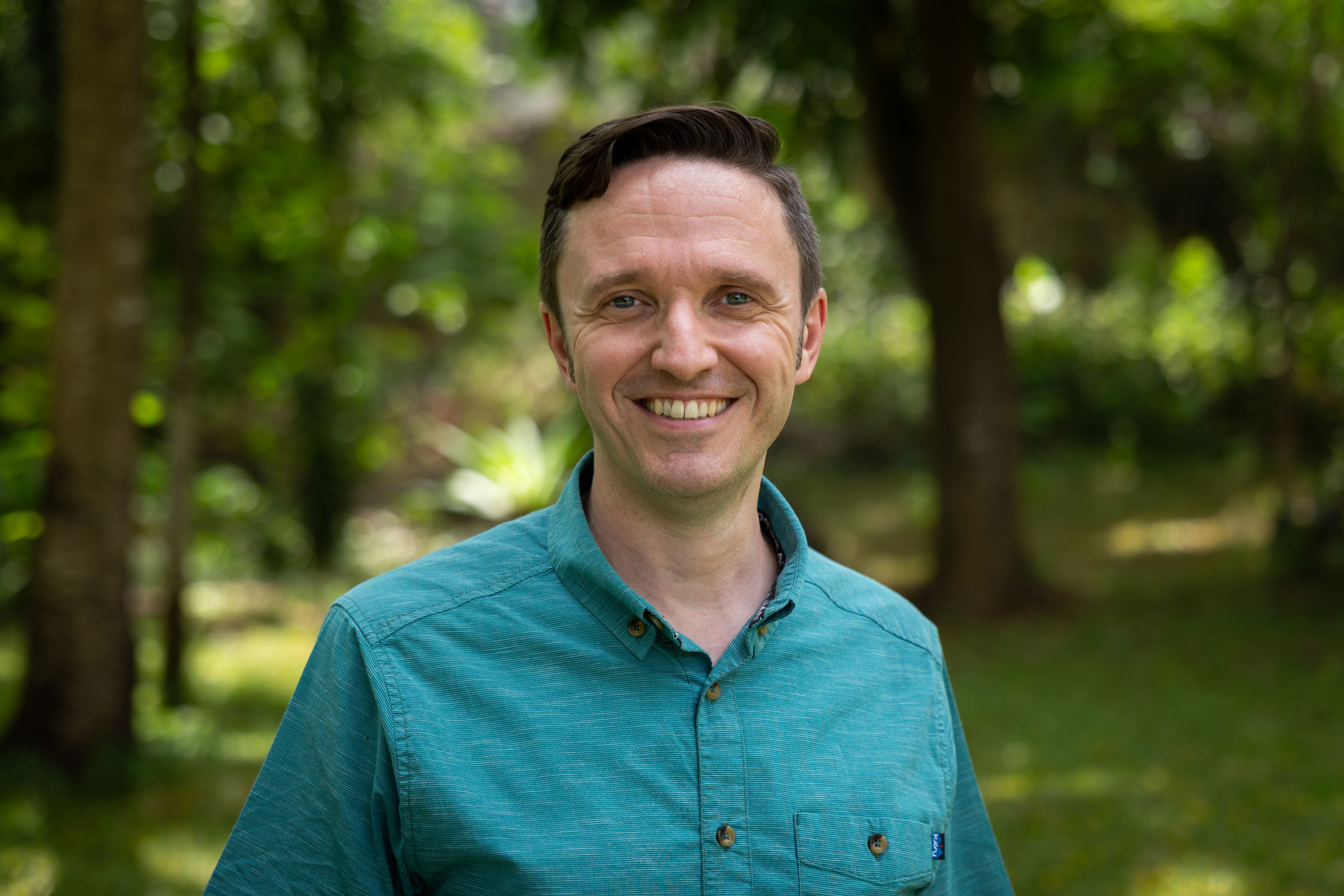
Matt Reeves
Matt leads AKF’s Civil Society portfolio, ensuring strategic direction, purpose and goals in the areas of organisational strengthening, community development and local philanthropy. He builds linkages among AKDN institutions and programmes, as well as with government, philanthropy and other actors. He provides regular support to field-based teams, leads programme design and supports resource mobilisation. Matt also convenes and supports AKF's global civil society community of practice.
